
Clear explanations of key ideas in astronomy, one concept at a time.
Topics: All articles | Astronomy Explained | Exam Preparation | Problems and Solutions | Studies and Careers | Competition News
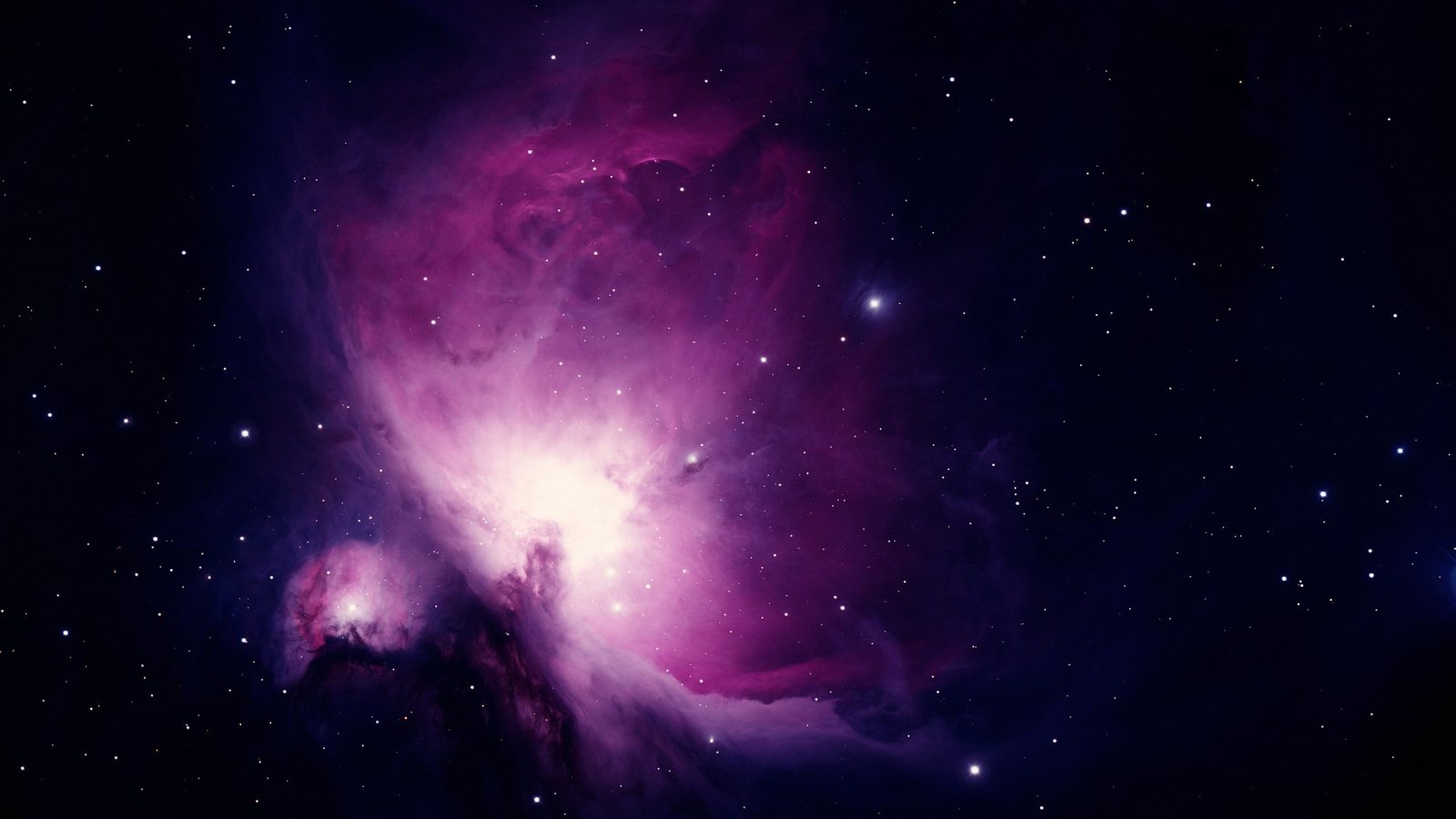
What Is Redshift in Astronomy? Follow the Hydrogen Lines
Two hydrogen lines can show how much a galaxy's light has stretched. Try matching the lines and calculating the redshift yourself. Read more
Why Do Astronauts Float in Space Even With Gravity?
Earth's gravity is still strong at the International Space Station. A bathroom scale helps explain why astronauts float anyway. Read more
How Does the Transit Method Detect Exoplanets?
A small dip in starlight can reveal a planet. Read a sample light curve to estimate the planet’s size and orbital period, then see how viewing angle can hide it. Read more
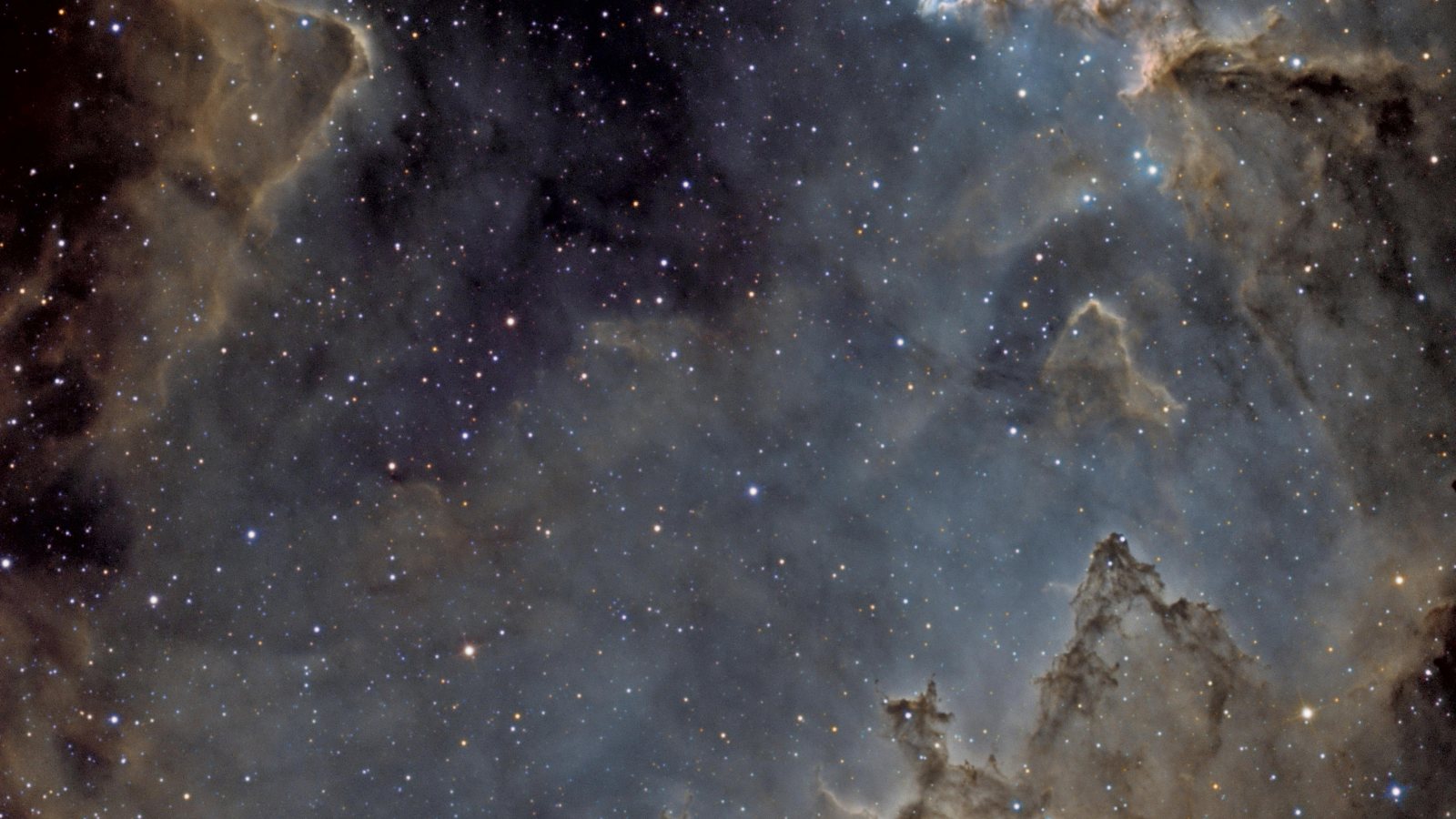
How Does Stellar Parallax Work?
Your thumb seems to jump when you switch eyes. Astronomers use the same effect, with Earth's orbit in place of your eyes, to measure distances to stars. Read more
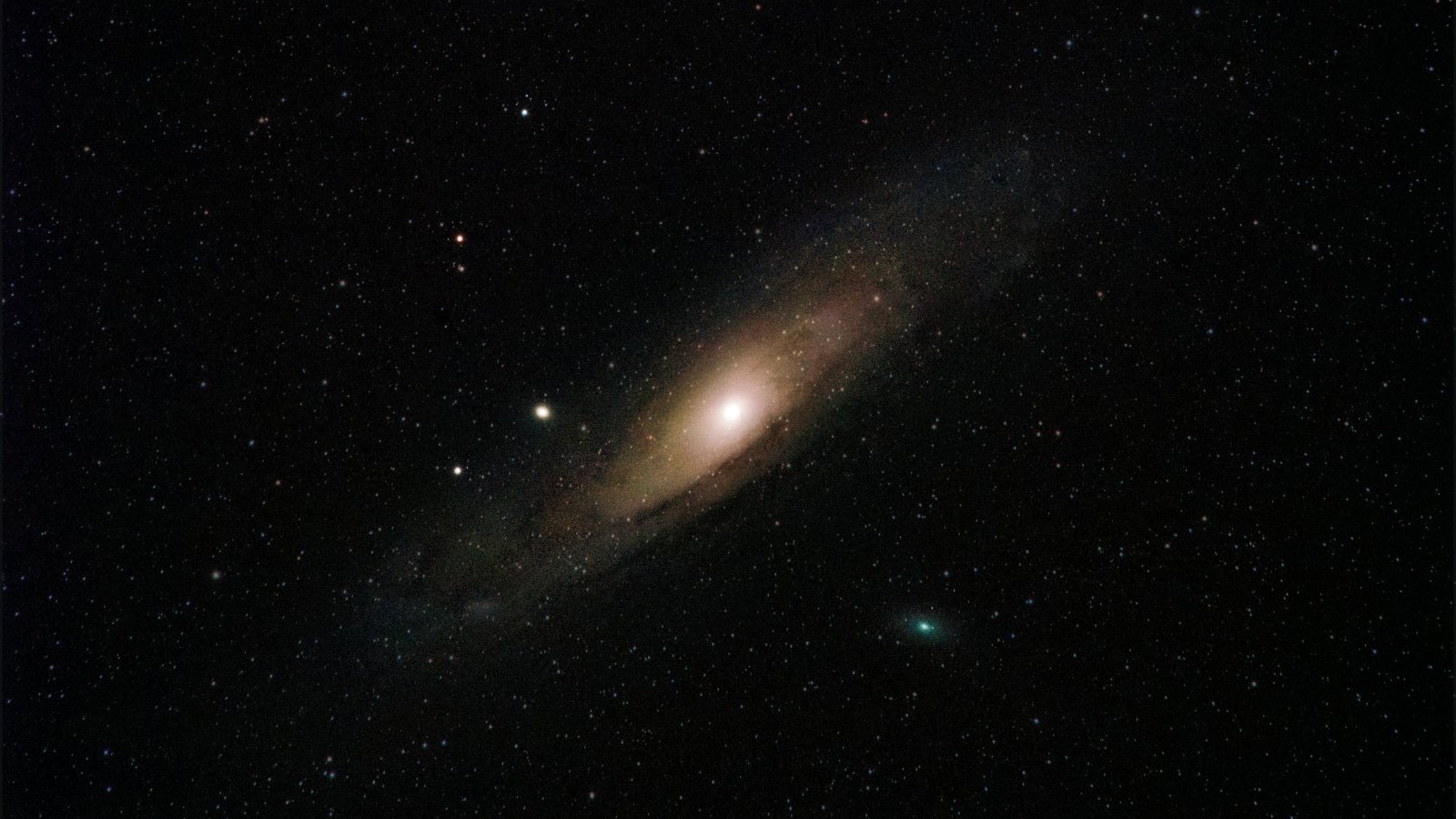
Why Are Stars Different Colors? Blue Stars Are Hotter
Rigel and Betelgeuse shine in different colors in the same constellation. Their light lets you tell which star has the hotter surface without knowing how far away either one is. Read more

Why Does the Moon Have Phases? Try It With a Lamp and Ball
Make a crescent, a quarter Moon, and a full Moon with a lamp and a ball. Then use the same setup to see what makes a lunar eclipse different. Read more